
God Isn't Dead: 7 Secular Arguments for Religion
On Moral Formation, Biological Fitness, and Why Religion Remains One Of History's Most Enduring Institutions

Introduction
If modernism killed God, then postmodernism desecrated His corpse. Durant writes,
“The progress of science raised the authority of the test tube over that of the crosier; the mechanization of economic production suggested mechanistic materialistic philosophies; education spread religious doubts; morality lost more and more of its supernatural supports.”1
Like Achilles dragging Hector’s lifeless body around the walls of Troy, many of our world’s leading minds have happily partaken in proclaiming religion’s demise:
“The growing awareness of man’s miniscule place in the cosmos has furthered the impairment of religious beliefs. . . . The process was slow, but by 1611 John Donne was mourning that the earth had become a mere ‘suburb’ in the world, and that ‘new philosophy calls all in doubt’; and Francis Bacon, while tipping his hat occasionally to the bishops, was proclaiming science as the religion of modern emancipated man. In that generation began the ‘death of God’ as an external deity.”2

But as we can see today, the advent of science and industrialization hasn’t brought about an end to history—progress has yet to produce Plato’s Republic, and all hitherto experiments in Communism have amounted to ruin.
Whether it be a utopia based on rationality or “an association, in which the free development of each is the condition for the free development of all”,3 history shows that any civilization entirely divorced from religion will not prevail. Durant writes,
“There is no significant example in history, before our time, of a society successfully maintaining moral life without the aid of religion.”4
This is particularly striking given Earth’s tremendous diversity: “As many authors have noted,” writes Wilson, “there was no single human ancestral environment but rather many environments that varied over time and space.”5 In spite of all the differences in climate, culture, and hardship, religion endured as a cornerstone to all.
Despite its imperfections and the horrors that have been committed in its name, religion has succeeded in providing comfort, uniting communities, and shaping morals in societies from time immemorial to present. Given our technocratic age, a survey analyzing the secular, biologic, and moral utility of religion is in order.
1.) Allaying the Fear of Death
Religion doesn’t sit neatly within evolutionary theory. From Wilson to Dawkins, a spectrum of explanations range from describing it as adaptive to others that go so far as labeling it a “cultural parasite”.6 To some, religion is merely an “unfortunate byproduct” of the very self-awareness that long ago emerged and allowed ancient humans to survive in the primitive world.7

Yet few can overlook the utility of religion in allaying the fear of death: the young, old, and all in between have found refuge in believing that there is an afterlife awaiting them after death. The utility of such a belief system cannot be overstated: generations have endured famine, poverty, disease, natural disasters, and war by clinging to the idea that something awaits them beyond this world.
Interesting still is just how much conceptions of the afterlife vary: from the Elysian fields of the ancient Greeks, to Christianity’s gates of heaven; from Hinduism’s cycle of reincarnation to the goal of nirvana in Buddhism; there are many different theories as to what the afterlife actually entails. And while many doubt whether such a domain could ever exist, the fact remains that a near countless number of humans have managed to survive in thinking so.
2.) Adaptive Distortion of Reality
On the point of “thinking so”, another aspect of religion emerges: its characteristic of distorting reality.
Nearly every religion has some supernatural or mystical or fictitious element that seems out of place in the material world. This begs the question:
How could a global phenomenon have such an otherworldly nature?
The answer seems to be a biological one: “Even massively fictitious beliefs can be adaptive, as long as they motivate behaviors that are adaptive in the real world.”8 For the ancients and other preindustrial societies, belief systems that distorted reality could enable behaviors that would appear futile in a merely factual world.
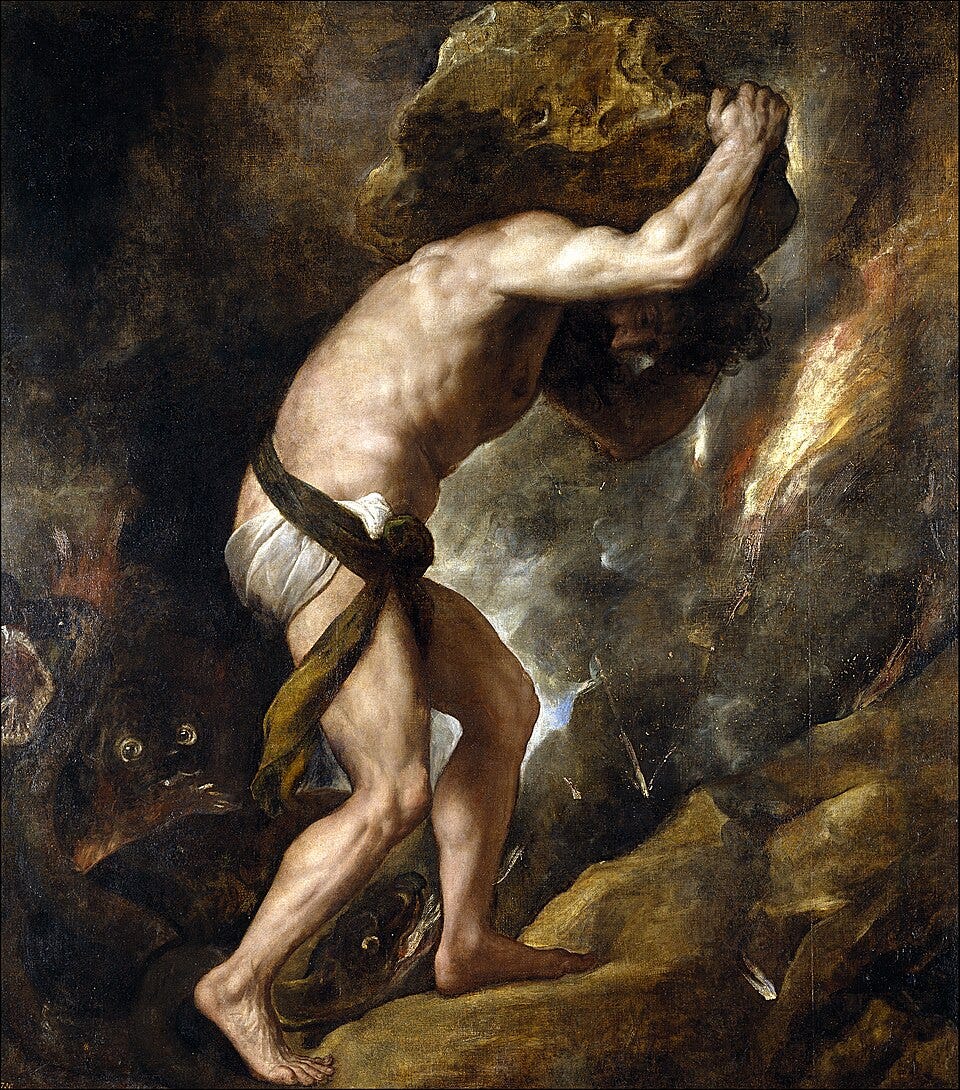
Take the struggling tribe that routinely contends with nature. Against such indifferent and seemingly insurmountable forces, the tribespeople would be psychologically destitute and emotionally ravaged should they assume a merely factual perception of the world. Yet, through the intercession of religious symbols and beliefs in gods, spirits, and other supernatural elements, the tribe is able to distort reality as to render their present situation manageable.
Through these religious allies, practices, and systems, man received a robust mental toolkit with which he could confront Mother Nature’s cruel indifference.
One may mock the rain dance, but even the harshest critic must concede how it inspires hope and survivability in those who perform it.
3.) Reorienting Reality and Insurmountable Odds
Yet not all aspects of religion need to distort reality. In many cases, religion provides a framework through which the individual can reorient himself to reality:
“Some of the most beautiful and moving elements of religion come not from cosmic struggles and invisible gods but from the vision of a better life on earth.”9
Look no further than religious art. The symbolism provided therein manages to communicate complex ideas that may otherwise seem complicated were it presented in a banal manner. Visual iconography is a prime example of this: from Egyptian hieroglyphics, to Etruscan bronzes, to the paintings and sculptures of the Renaissance, these images affirm the maxim: a picture’s worth a thousand words.
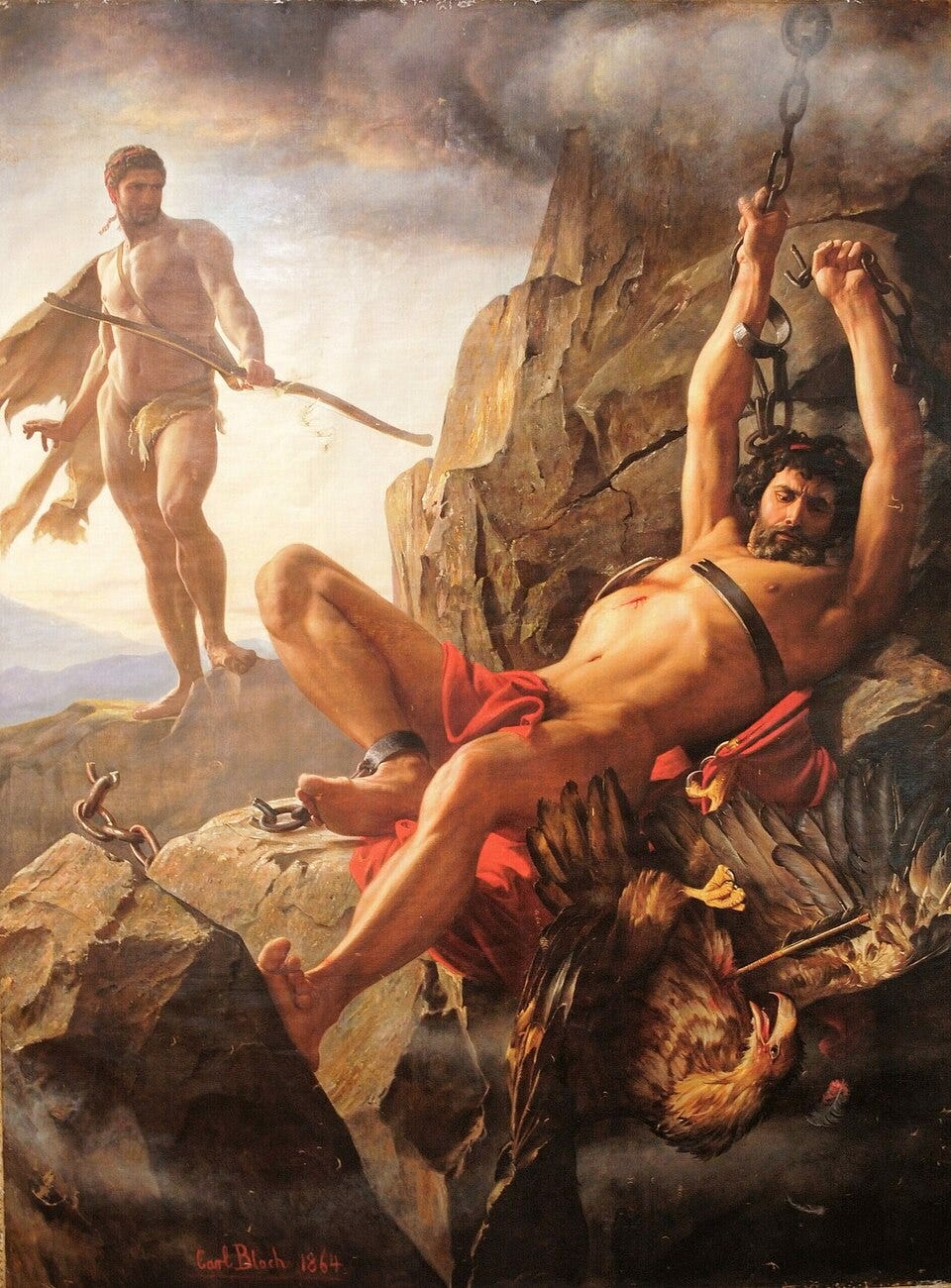
And where visual beauty is absent, the spoken word has endured to convey meaning: the Epic of Gilgamesh, the lines of Homer’s epics, the verses of the Old and New Testament, the teachings of Confucius; oral traditions prevail in conveying fundamental truths through styling ideas with poetic beauty.
In light of how critics sometimes regard art as being frivolous and its purveyors and consumers as mere idiots, Dostoyevsky seems to have aptly titled his novel in which he proclaims: “beauty will save the world.”10
4.) Rituals and Group Wellness
Religious rituals are often criticized as being meaningless, but here too we find a plethora of utility. The sociologist may look upon religious participation as a means of measuring human behavior.
Durkheim felt that religious rituals lent functioning groups an “aura of sacredness surrounding prescribed behaviors”.11 As Wilson writes,
“He [Durkheim] also felt that periodic gatherings were required to maintain the integrity of groups. The religious rituals and other festivities held during these gatherings were so emotionally intense that they gave force to group identity when its members were dispersed.”12

Many today long for these rituals: As Putnam details in Bowling Alone, recent decades have seen a sweeping generational decline in group participation, which in turn has contributed to a growing malaise of unhappiness, which in turn has positively correlated with higher indices of headaches, indigestion, sleeplessness, and suicide.13
In this sense, the sacred nature of religion confers benefits of meaning and group cohesion that secular traditions have failed to offer and should strive to integrate.
5.) When Medicine Isn’t Enough
The secular and biological utility of religion extends to rehabilitation: Alcoholics Anonymous is, in essence, a religious system. As Wilson writes,
“AA works hard to instill belief in a higher power, abandonment of self-will, and service to others as essential steps toward personal recovery.”14
At the root of alcoholism is selfishness; at the root of religion is selflessness. Accordingly, AA assumes a religious framework. More than just reorienting one’s environment, AA frames alcoholism in a way that highlights its unique aspects:
“Alcoholism is not a disease like cancer, or diabetes, or a speck in the eye; it is an evil habit which eventually becomes slavery.”15
Considering how different alcoholism is from other diseases, it’s somewhat unsurprising that one of the most effective treatment plans is somewhat unorthodox compared to other forms of medical treatment.

6.) From a Conservationists’ Perspective
Religion and nature share a storied history. At first, the two seem insoluble:
“Like other departments of biology, history remains at bottom a natural selection of the fittest individuals and groups in a struggle wherein goodness receives no favors, misfortunes abound, and the final test is the ability to survive. . . . Nature and history do not agree with our conceptions of good and bad; they define good as that which survives, and bad as that which goes under; and the universe has no prejudice in favor of Christ as against Genghis Khan.”16
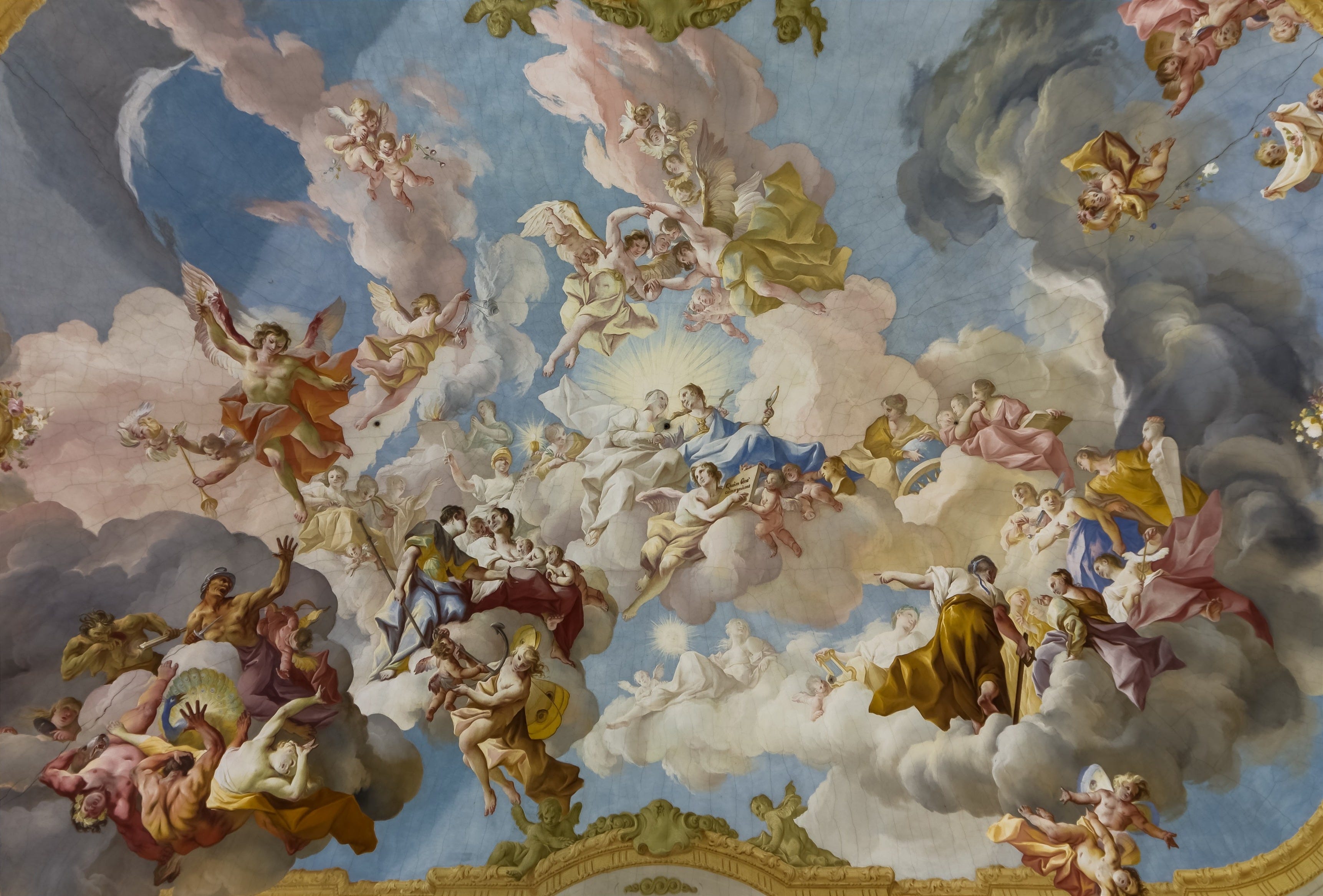
Like many others, Dawkins argues that the universe is one of “blind physical forces. . . . The universe we observe has precisely the properties we should expect if there is, at bottom, no design, no purpose, no evil and no good, nothing but blind, pitiless indifference.”17
Yet this scientific view is an incomplete one. Science succeeds in describing the what, but it often struggles in describing the why. As Wilson explains, “There is nothing wrong with saying that the heart functions to circulate blood, that the turtle’s shell functions to protect it from predators, etc., as long as these traits really did evolve by natural selection for the reasons that are ascribed to them.”18
Problems with this scientific view of the universe arise when we look to first and last questions. These questions, such as “How did we get here?” or “What’s the meaning of life?”, are ones that science cannot readily answer. And since they do not fit neatly within its scope, scientific answers about the design and origin of nature are often insufficient.
Given that the scientist can only measure what is there, with the tools that he has, he is bound to come up short: microscopy and gene sequencing can only go so far in helping him inquire into the immaterial subjects of cosmic design, divine purpose, good, and evil. As Medawar asserts,
“My contention. . . . has been that it is logically outside the competence of science to answer questions to do with first and last things.”19
How interesting is it that one of science’s fundamental theories—the Big Bang—approximates almost exactly what Genesis 1 details: “And the earth was void and empty, and darkness was upon the face of the deep. . . . And God said: Be light made. And light was made.”20 Primitive as this may be, it is intelligible to all.
7.) The Peculiar Case of Altruism
One can tell much about a society from what it believes. “Religion,” writes Wilson, “ is therefore a symbolic representation of society.”21 On the secular utility and prevailing nature of religion, Inglehart writes,
“One reason religion spread and endured was because it encouraged norms of sharing, which were crucial to survival in an environment where there was no social security system.”22
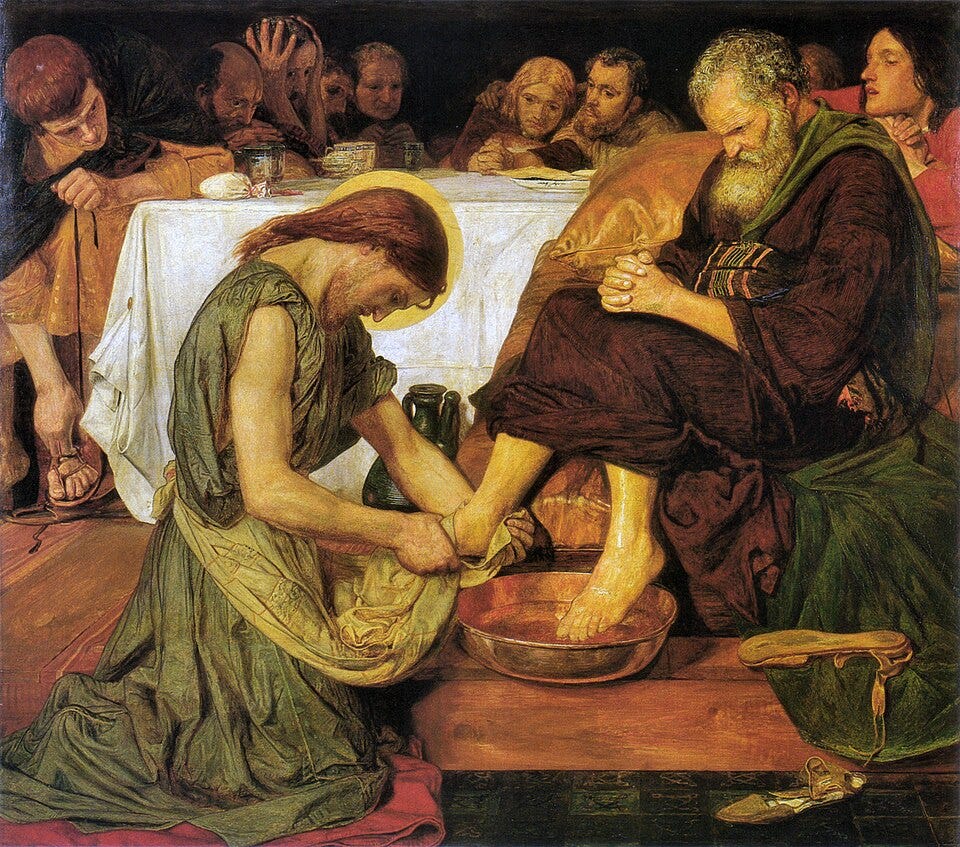
Much has been written about the horrors committed in the name of religion, but few will recognize all the good it has done. As Durant reminds us,
“The gifts of charity have almost equaled the cruelties of battlefields and jails. . . . Who will dare to write a history of human goodness?”23
This aspect of religion can no longer go overlooked. The pervasive idea of “selfish genes” has done irreparable damage to the notion that anyone can do good. And yet, while many experts look to explain away altruism as a mere illusion of “individuals increasing the fitness of their genes in the bodies of others,”24 others have taken a different course:
“In particular, sociobiologists have been fascinated, even mesmerized, by the problem of explaining altruistic traits that benefit the group at great cost to the individual.”25
But scientists aren’t the only ones—even the angels had to reconcile themselves to God’s good news:
“Of which salvation the prophets have inquired and diligently searched, who prophesied of the grace to come in you. . . . but to you they ministered those things which are now declared to you by them that have preached the gospel to you, the Holy Ghost being sent down from heaven, on whom the angels desire to look.”26
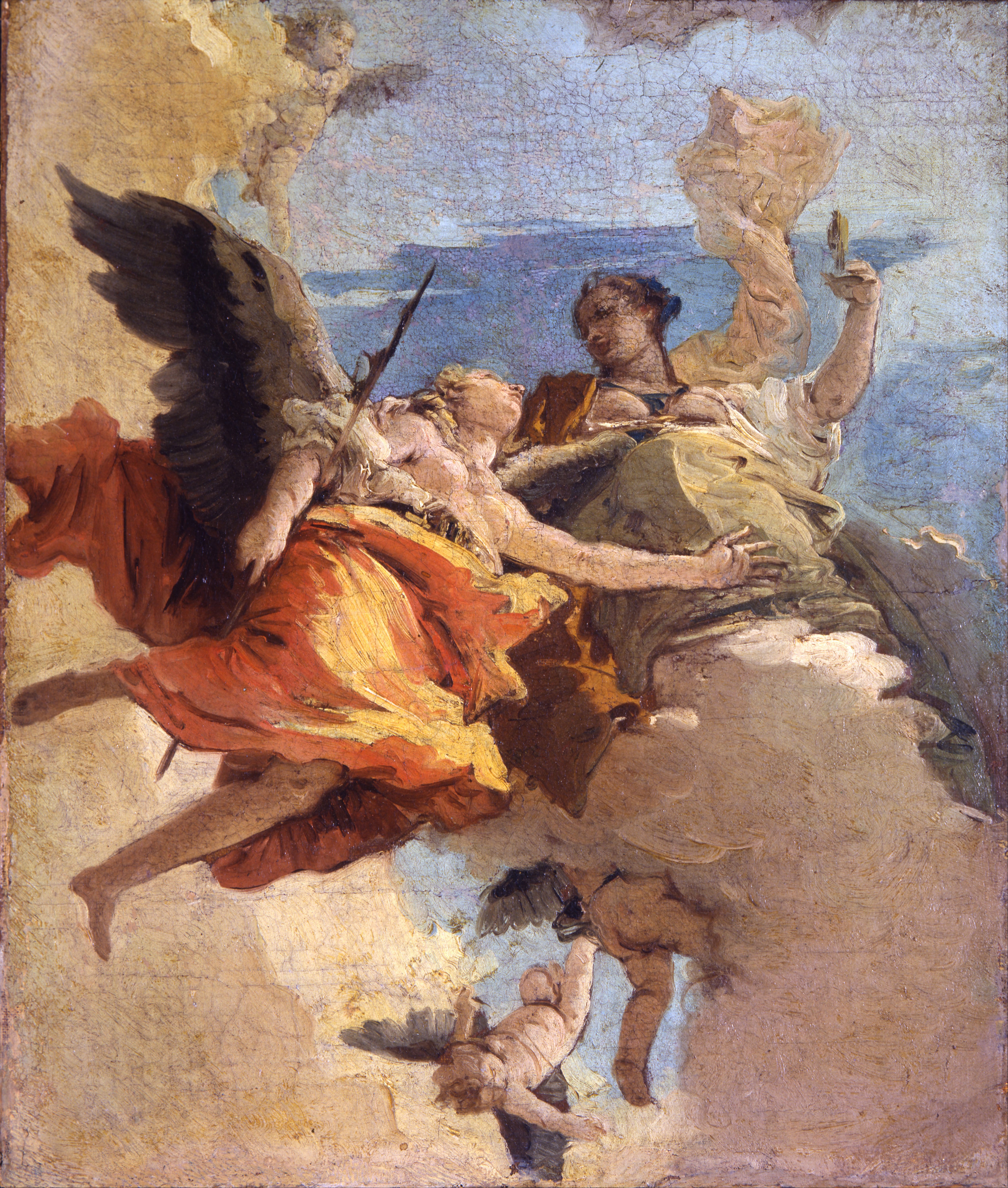
The moral utility of religion has often been criticized as something used to justify wars and atrocities, but who will celebrate its ability to justify acts of charity and selflessness?
To “Give the devil his due” is a worn-out phrase. It’s about time we do so for God.
Conclusion
Criticizing religion is necessary. But celebrating it is equally so. Returning to Durant,
“There is no significant example in history, before our time, of a society successfully maintaining moral life without the aid of religion.”27
For although man has made tremendous strides upon the earth, he nonetheless remains mired in the very tangles of human nature that his ancestors fought so hard against.
In our modern age, a little humility may go a long way…
“The three most important virtues are humility, humility, and humility.”
— St. Bernard of Clairvaux
Thanks for Reading—Stay Tuned for More
Consider supporting with a Like, Share, or Restack. Each recommendation helps reach readers interested in history, meaning, and the questions of civilization.
Have a strong, thoughtful week.
Ancient wisdom for unprecedented times.
Will and Ariel Durant, The Lessons of History (New York: Simon & Schuster, Inc., 1968), 39.
Ibid., 46-7.
Karl Marx and Friedrich Engels, The Communist Manifesto (London: Penguin Classics, 2002), 244.
Durant, The Lessons of History, 51.
David Sloan Wilson, Darwin’s Cathedral: Evolution, Religion, And The Nature Of Society (London: University of Chicago Press, 2002), 31.
Wilson, Darwin’s Cathedral, 44.
Ibid.
Ibid., 41.
Ibid., 231.
Fyodor Dostoyevsky, The Idiot. 1869.
Ibid., 54.
Ibid.
Robert D. Putnam, Bowling Alone: The Collapse and Revival of American Community (New York: Simon & Schuster, 2020), 263.
Wilson, Darwin’s Cathedral, 180.
Fulton J. Sheen, Life Is Worth Living: Fifth Series (New York: McGraw-Hill Book Company, Inc., 1957), 77.
Durant, The Lessons of History, 46.
Richard Dawkins, River Out of Eden: A Darwinian View of Life (New York: Harper Collins Publishers, 1995), 132.
Wilson, Darwin’s Cathedral, 69.
Peter Medawar, The Limits of Science (New York: Harper & Row, 1984), 86.
Holy Bible: Douay-Rheims 1899 American Edition, Genesis 1:2-3.
Wilson, Darwin’s Cathedral, 54.
Ronald Inglehart, Religion’s Sudden Decline: What’s Causing it, and What Comes Next? (New York: Oxford University Press, 2021), 17.
Durant, The Lessons of History, 41.
Wilson, Darwin’s Cathedral, 12.
Ibid., 18.
Holy Bible, 1 Peter 1:10, 12.
Durant, The Lessons of History, 51.
This is a must read. Well done!
🔥🔥